
While 2026 has an extraordinary lineup of movies, Dune: Part Three and The Odyssey are expected to rank among the year's best new releases. Christopher Nolan's The Odyssey has already met expectations by not only earning unanimous acclaim from critics but also shattering many box office records. If all goes well for the movie, it could even touch the $1 billion mark with its worldwide earnings.
After The Odyssey, another wave of fascinating movies will premiere each month before Dune: Part Three lands in the theaters on December 18, 2026. Dune: Part Three's release date clashes with that of Avengers: Doomsday, but it seems unlikely that, but it seems unlikely that either blockbuster will blink. Both Dune: Part Three and Avengers: Doomsday have the potential to perform even better than The Odyssey.
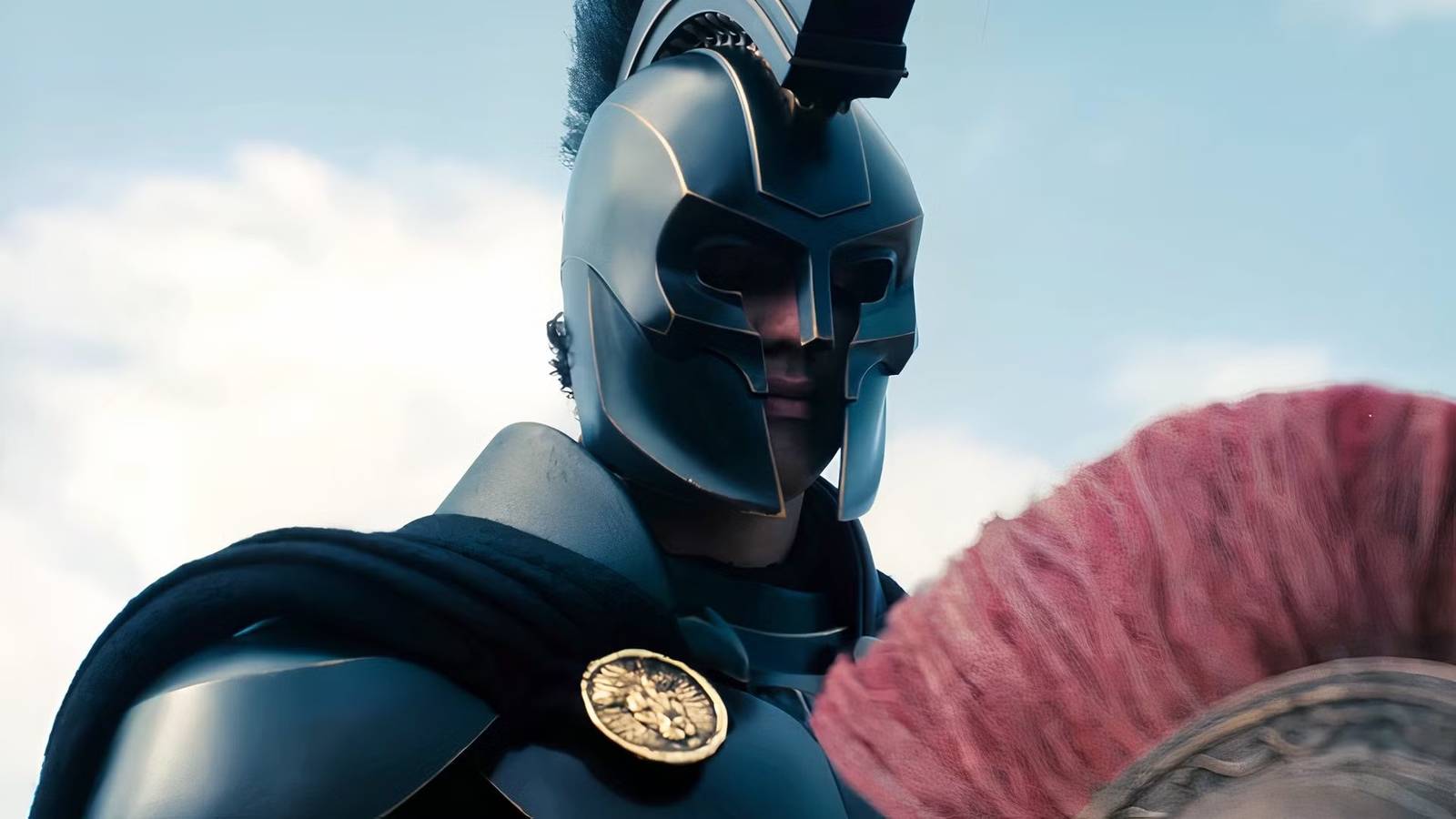
Considering how Dune: Part Three, too, will likely earn the same level of acclaim as The Odyssey, it will likely become the Christopher Nolan movie's biggest rival in the Best Picture category at the Academy Awards. What makes this rivalry even more fascinating is that the original stories the movies adapt have one intriguing connection. Agamemnon is a looming presence in Christopher Nolan's The Odyssey who embodies the tragic consequences of the Trojan War's aftermath.
His history in Greek Mythology discloses that he and his brother Menelaus were known collectively as the Atreidai (Atreides), which means"Sons of Atreus." When Frank Herbert first wrote Dune and created House Atreides, he wasn't just dropping an easter egg to Greek Mythology. Instead, he tied House Atreides to the legendary House of Atreus, with later Dune novels explicitly identifying King Agamemnon of Mycenae as one of Paul's ancestors.
Children of Dune even drops a direct reference to Agamemnon, where Alia hears Agamemnon's voice through her ancestral memories: A closer look at these implied connections between The Odyssey and Dune even reveals some intriguing narrative similarities. Just like The Odyssey's Agamemnon ultimately falls victim to betrayal after the Trojan War, Duke Leto takes over Arrakis knowing it's an Imperial trap. Ultimately, both end up getting murdered.
Beyond the story of Christopher Nolan's The Odyssey, Agamemnon’s son, Orestes, is burdened with avenging his father’s murder. As a result, he unleashes a wave of bloodshed to restore his house. In The Odyssey, the Trojan Horse is used to deceive and overpower Troy.
Dune seems to reimagine this by showing how the Emperor and House Harkonnen hand Arrakis over to House Atreides as a"Gift"Before disclosing it to be a carefully orchestrated deception. These fascinating similarities between The Odyssey and Dune highlight how they are two sides of the same coin, with Frank Herbert reimagining many of the same ideas about inherited vengeance and generational doom. Considering these parallels, it is hard not to be intrigued by the fact that The Odyssey and Dune: Part Three are top contenders for the"Best movie"Title of 2026.
Christopher Nolan's The Odyssey is a 2026 adaptation of Homer's epic poem, chronicling Odysseus's treacherous journey home from the Trojan War. Dune: Part Three continues the epic adaptation of Frank Herbert's sci-fi saga, this time drawing from his book Dune: Messiah.